%2Ffit-in%2F250x250%2Fguide_websites%2F12471%2Fimages%2F1704340069555addictivesportfishing.png&w=1920&q=100)
Leopard Shark Caught in Richmond CA Fishing
Leopard Shark Fishing in Richmond - What to Expect
%2F%2Fusers%2F8be78c19-87c7-4bc4-91e2-531c782545e2%2Fimages%2Fleopard-shark-richmond-ca-fishing-2590.jpg&w=1920&q=75)
Fishing Charter by Captain John Garner in June

Meet your Captain John Garner
- Bay Bliss: Book Your San Francisco Fishing Charter


Summary
Get ready for explosive action on a fishing charter in Richmond, CA this June. Captain John Garner of Addictive Sport Fishing delivers the goods - from leopard shark encounters to fast-paced saltwater combat. This Thursday morning outing showcases exactly why these waters rank among Northern California's most productive fishing grounds.
Fishing Charter with Captain John Garner - Rates & Booking
Captain John Garner of Addictive Sport Fishing delivered pure adrenaline on this Thursday in June. His Richmond-based fishing charter puts anglers directly in the path of leopard sharks and other aggressive species thriving in the San Francisco Bay area's productive waters. The action happens fast - hook up after hook up keeps the crew energized and the rods bent.
Book your fishing charter with Addictive Sport Fishing and experience the same high-octane fishing that made this catch possible. Captain Garner knows exactly where these sharks hunt and how to trigger strikes. Contact the team to reserve your spot and get the details on charter rates, timing, and what's included in your trip.
Highlights of Your Richmond Fishing Experience
Leopard sharks mean non-stop action. These aggressive predators hit hard, fight harder, and deliver the kind of adrenaline rushes that keep anglers coming back. The Richmond fishing grounds concentrate these sharks during peak season, creating conditions where multiple encounters happen throughout the day. You'll feel the power - every cast brings the real possibility of connection.
Beyond the sharks, these waters hold additional species that add variety to your fishing day. The environment combines sheltered bay conditions with deep channels that attract feeding aggregations. Captain Garner uses his local expertise to position the boat where the action concentrates, maximizing your opportunities for hard-fighting fish and memorable moments.
Local Species Insights: Leopard Sharks in Richmond Waters
Leopard sharks dominate the Richmond fishing scene during summer months. These sleek, aggressive hunters display distinctive patterns that make them instantly recognizable - dark spots scattered across gray backs create the signature leopard appearance. They're not massive fish, but what they lack in size they compensate with intensity and combat spirit.
These sharks hunt in coordinated groups, particularly in deeper channels and around structure where prey concentrates. The San Francisco Bay system provides ideal habitat - cooler water temperatures, abundant baitfish, and protective terrain make these grounds prime leopard shark territory. Captain Garner exploits their aggressive feeding behavior and territorial nature, using live bait presentations and strategic boat positioning to trigger explosive strikes.
Leopard sharks respond to the thrill of the hunt. Their vision and lateral line systems make them exceptionally reactive to movement and vibrations. You'll witness this predatory intensity firsthand when your bait enters the strike zone - the sharks waste zero time committing to their attack. Each hooked fish pulls with determined energy, testing your gear and your skills throughout the fight.
The bay's unique conditions support healthy leopard shark populations. These waters deliver the nutrients and structure that keep predators fed and aggressive. As an angler, you benefit directly from this abundance - more sharks mean more chances to connect, more opportunities to experience the raw energy these fish bring to every encounter.
Fishing in San Francisco: Leopard Shark
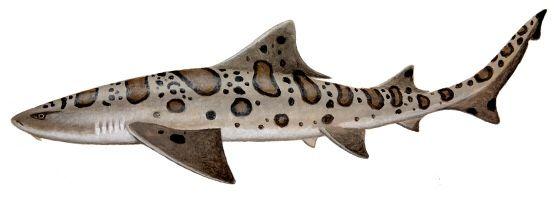
Leopard Shark Overview
The Leopard Shark (Triakis Semifasciata) is a member of the Triakidae family within the order Carcharhiniformes, and despite its fearsome-sounding name, it's one of the most docile sharks you'll encounter in coastal waters. Named for the distinctive leopard-like spots that cover its sleek body, this species features a long, slender frame with a moderately stout build, a tall dorsal fin, and a short, rounded snout that gives it an almost gentle appearance. What truly sets the Leopard Shark apart is its reputation as a virtually harmless and passive creature—a stark contrast to the vicious predators many imagine when they hear the word "shark." Anglers and divers in California and other West Coast locations have long appreciated these spotted beauties for their accessibility and relatively calm demeanor, making them an ideal species for both novice and experienced ocean enthusiasts.
Don't let the sharks you see in movies fool you—the Leopard Shark is far more curious than aggressive, and encounters with humans rarely result in anything more than cautious observation from the fish's side. In fact, there has been only one recorded attack, and that incident occurred when a diver had a nosebleed, which triggered the shark's natural sensitivity to blood in the water. This gentle disposition, combined with their active cruising behavior and striking appearance, makes them a favorite subject for marine observation and recreational fishing along the Pacific coast.
Leopard Shark Habitat and Distribution
Leopard Sharks thrive in the shallow, coastal waters of the eastern Pacific Ocean, with a strong presence along the California coast and extending into Mexican waters. They prefer bays and estuaries where they can cruise the bottom or just beyond the surf zone, often patrolling and hiding beneath kelp forests. These sharks are active swimmers that love exploring the seafloor and rocky reef structures where prey is abundant. While they're primarily found in shallow waters, they can venture into deeper zones—the deepest recorded sighting was around 300 feet. The combination of sandy bottoms, kelp coverage, and moderate depth makes bays and nearshore reefs ideal habitats. Female Leopard Sharks are particularly notable for their preference for warmer water patches, which influences their seasonal movements and distribution throughout the year.
If you're searching for Leopard Sharks in coastal California, focus your efforts on established bays and estuary systems where sandy and rocky structures meet. These transitional zones provide shelter, hunting grounds, and the warm currents females seek during warmer months.
Leopard Shark Size and Weight
Leopard Sharks typically grow to lengths between 50 to 78 inches (approximately 1.2 to 1.8 meters), with weights ranging from 10 to 44 pounds. Most individuals land in the average range of 3.9 to 4.9 feet in length. Males tend to stay closer to the lower end of this spectrum, rarely exceeding 60 inches, while females are generally larger and can reach up to 78 inches or more. The largest recorded female Leopard Shark reached approximately 2.1 meters and weighed around 41 pounds, making her a true giant among her species. These sharks grow remarkably slowly, which contributes to their impressive lifespan of up to 30 years in the wild. The sexual dimorphism in size is notable and reflects the energy demands of female reproduction and live birth.
Leopard Shark Diet and Behavior
As a bottom-dwelling predator, the Leopard Shark has evolved a diverse and opportunistic diet focused on small prey items. They're particularly fond of crabs, which they crush with their numerous rows of grinding teeth—approximately 41 to 55 in the upper jaw and 34 to 45 in the lower jaw. Beyond crustaceans, they eagerly consume bony fish such as anchovies, herring, croakers, topsmelt, gobies, rockfish, surfperch, flatfish, and midshipmen. Shrimp, ghost shrimp, and clams round out their menu, allowing them to adapt to whatever prey is most available in their immediate environment. Their passive nature extends to their feeding behavior; they're hunters of the small and defenseless rather than apex predators of the ocean.
Behaviorally, Leopard Sharks are nocturnal creatures that spend daylight hours resting in deeper waters or kelp-shaded areas before becoming more active during evening and night hours. They're generally wary of humans and will avoid confrontation, though they display more aggressive tendencies toward competing fish. One fascinating physiological adaptation is their higher red blood cell count compared to most fish, allowing them superior oxygen processing and enhanced endurance during activity.
Leopard Shark Spawning and Seasonal Activity
Like all sharks in their family, Leopard Sharks are ovoviviparous, meaning they give birth to live young rather than laying eggs. Females are iteroparous, capable of producing multiple litters across their lengthy lifespan. The reproductive cycle is closely tied to water temperature, with females actively seeking warmer patches of water—a behavior that influences their seasonal distribution and migratory patterns. Spring and summer months see increased reproductive activity and female movement into optimal nursery grounds. Juvenile Leopard Sharks utilize shallow bays and estuaries as nurseries, providing protection from larger predators and abundant food sources for rapid early growth.
Seasonal temperature fluctuations drive much of their movement throughout the year. During warmer months, they're more active and visible in shallower waters, while cooler seasons may push them into slightly deeper zones or cause them to concentrate in thermally favorable areas.
Leopard Shark Techniques for Observation and Capture
Method 1: Bottom Fishing with Fresh Bait
The most effective approach for catching Leopard Sharks involves presenting fresh bait on or near the seafloor using weighted rigs. The species has a strong preference for squid and Pacific mackerel chunks—their "candy," as local anglers say. Fresh herring, anchovies, small crabs, and sardines also work exceptionally well. Secure your bait tightly using a bait thread if pieces are soft or mushy, preventing them from dislodging during the cast or from predatory nibbling. Use a heavier weight to keep the bait stationary on the bottom where Leopard Sharks cruise for food. Recommended hook sizes include 5/0 to 7/0 circle hooks or octopus-style hooks, which are ideal for the species' mouth structure and increase successful hook sets.
Method 2: Dawn and Dusk Fishing
Time your outings for early morning or late afternoon when Leopard Sharks transition between resting and active feeding periods. This timing takes advantage of their natural behavioral patterns without requiring you to battle nocturnal activity. Casting off sandy-bottomed nearshore reefs or in established bays yields consistent results. Around popular California fishing destinations, this approach is particularly productive during spring and summer months when water temperatures attract females into shallower grounds.
Method 3: Dropper Loop and Fish Finder Rigs
Experienced anglers swear by dropper loops and specialized fish finder rigs that allow you to present multiple baited offerings at precise depths. This setup increases your chances by covering more vertical water column space and presenting baits in a natural, enticing manner. Position your rig where sandy substrate meets rocky or kelp-covered areas, as this transition zone is where Leopard Sharks hunt most actively.
Important Regulatory Note: Many California coastal regions enforce catch limits, typically allowing only 3 Leopard Sharks per person before mandatory catch-and-release with proper resuscitation techniques (often called "performing CPR"). Always check local regulations before fishing.
Leopard Shark Culinary and Utilization Notes
Leopard Sharks are generally considered good eating with firm, mild-flavored meat that lends itself well to various preparation methods. The meat has a pleasant flavor without the strong "sharky" taste sometimes associated with larger shark species. Nutritionally, Leopard Shark meat is rich in protein and low in fat, making it a healthy seafood choice. From a sustainability perspective, the species is not currently considered threatened, though the established catch limits in many regions reflect responsible fisheries management practices. Because they grow slowly and have extended lifespans, populations are sensitive to overharvesting, which is why regulations exist to protect breeding populations and ensure long-term sustainability.
For those interested in culinary use, the mild flavor profile makes Leopard Shark ideal for grilling, pan-searing, or incorporating into ceviche and seafood chowders. Always ensure your catch is properly field-dressed and kept cool immediately after landing for optimal quality and food safety.
Leopard Shark Frequently Asked Questions
Q: What is the best bait for catching Leopard Sharks?
A: Fresh squid and Pacific mackerel chunks are the top choices, with herring, anchovies, small crabs, and sardines as excellent alternatives. The key is using fresh bait and securing it firmly so it doesn't dislodge from your hook during casting or retrieval. If your bait becomes mushy, wrap it with bait thread for added security.
Q: Where can I find Leopard Sharks near popular California fishing areas?
A: Focus your efforts on established bays and estuaries with sandy bottoms and kelp-covered reef structures. Look for transitions between open sandy areas and rocky outcroppings, particularly in nearshore and onshore zones. These areas provide the perfect hunting grounds where Leopard Sharks actively cruise for small prey. Spring and summer months see increased activity in shallower waters as females move into optimal reproductive habitat.
Q: Is the Leopard Shark safe to eat?
A: Yes, Leopard Sharks are good eating with firm, mild-flavored meat that's versatile in the kitchen. They're nutritious, protein-rich, and low in fat. However, always follow local catch regulations and sustainability guidelines, as these sharks grow slowly and deserve responsible harvesting practices.
Q: When is the best time to catch Leopard Sharks?
A: Dawn and dusk are ideal times to fish for them, when they transition between resting and active feeding periods. While they're nocturnal, daytime fishing can be more productive because you'll intercept them before they settle into deeper resting areas. Spring and summer months, when water temperatures rise, bring females into shallower coastal zones and increase overall activity levels.
Q: Are Leopard Sharks dangerous to humans?
A: No, Leopard Sharks are virtually harmless and remarkably passive toward humans. There has been only one recorded attack in history, which occurred when a diver had a nosebleed—triggering the shark's natural sensitivity to blood. These sharks are generally wary of people and will avoid confrontation whenever possible, making them safe for observation and interaction in their natural environment.
Q: What equipment do I need to successfully catch a Leopard Shark?
A: You'll need 5/0 to 7/0 circle hooks or octopus-style hooks, a weighted rig (heavier weights for bottom fishing), fresh bait, and optionally, bait thread for securing soft baits. Dropper loop rigs and fish finder setups are popular among experienced anglers for their effectiveness. Standard coastal fishing rods and reels suitable for nearshore work are perfect for this species.